
The Warden Who Never Sleeps: How AI and Real-Time Technology Are Replacing Guesswork in Emergency Response
By Dr. Rashid Khan, Founder of EvacTracker
There is a role in almost every Australian building that most people have never thought carefully about: the building warden. The warden is the person responsible for knowing what to do when an alarm sounds, who is in the building, which exits are safe, and how to account for everyone once they reach the assembly point. It is a role filled, more often than not, by a volunteer – someone who agreed to wear a hi-vis vest because no one else put their hand up.
I say this not to diminish the people who serve in this role. Many wardens take it seriously and perform it with genuine dedication. I say it because the system we have built around them- static floor plans, paper-based registers, walkie-talkies, and shouted instructions in stairwells was not designed for the pace, complexity, or scale of the emergencies we face today.
And in the gap between what wardens are asked to do and what they are equipped to do, people get hurt.
What History Tells Us About Human-Only Systems
On the 11th of September 2001, the evacuation of the World Trade Centre towers was, in many respects, one of the largest and most complex in history. Tens of thousands of people made decisions about whether to evacuate, which stairwells to use, and when to move – largely based on incomplete, contradictory, or simply wrong information. In the South Tower, building management initially told occupants to return to their offices, believing the threat was isolated. Many who followed that guidance did not survive.
This is not a critique of the individuals involved. It is an illustration of what happens when human beings, regardless of their training, their commitment, or their intentions, are asked to manage dynamic, rapidly evolving situations with inadequate information and no real-time visibility.
In 2013, the Rana Plaza building in Dhaka, Bangladesh, collapsed, killing over 1,100 people. Cracks had been identified in the structure the day before. Some businesses were told to evacuate. Others were not. There was no unified system for communicating risk, confirming who had received warnings, or tracking whether people had actually left. The building was occupied the following morning.
On the other side of the world, in Melbourne’s Docklands in 2014, the Lacrosse Building caught fire at 2:47 am. Residents were woken by alarms and expected guidance that, for many, did not come in a form they could act on quickly. Some made their own decisions. Others waited. The fire spread faster than the aluminium cladding, later found to be non-compliant, which was expected to allow. The building was evacuated, but the experience raised profound questions about whether residents truly understood what to do, and whether the systems around them supported that.
“In every one of these events, the failure was not the absence of people trying to help. It was the absence of shared, real-time information.”
The Problem With the Warden Model
The traditional warden model assumes a number of things that are rarely true simultaneously. It assumes the warden is present when an incident occurs. It assumes they have been recently trained and remember their training under stress. It assumes communication channels like intercoms, phone trees, and manual check-in processes are functional and fast enough to be useful. And it assumes that information about who is in the building, where they are, and what conditions look like in real time is available.
In practice, wardens are often untrained or infrequently trained. Buildings change, tenancies shift, new staff arrive, floors are reconfigured, and evacuation plans rarely keep pace. Communication during an incident frequently defaults to shouting, assumption, and improvisation. And the register of who is in the building? In most organisations, it is either non-existent or out of date the moment someone takes an unscheduled meeting off-site.
This is not a criticism of organisations or their wardens. It is a systems problem. And systems problems require systems solutions.
What AI Changes
When I built EvacTracker, I was not trying to replace the human beings who respond to emergencies. I was trying to give them something they have never had before: a clear, current, verified picture of what is actually happening, in real time, so that their decisions are based on facts rather than assumptions.
Artificial intelligence and real-time data processing change emergency response in several fundamental ways. First, they remove the lag. Traditional emergency communication processes, even in well-prepared organisations, can take 20 to 25 minutes to reach all relevant parties. EvacTracker’s internal pilot data shows that simultaneous, multi-channel communication and real-time coordination compress this to approximately 9 minutes. That is a reduction of more than 50 per cent in the time it takes for accurate guidance to reach every person in a building. In emergency scenarios, that is not a marginal improvement. It is the difference between a managed evacuation and a chaotic one.
Second, AI removes variability. One of the greatest risks in emergency response is inconsistency – the difference between how procedures are interpreted by a warden on level 3 versus level 12, or between a building in Sydney and one in Brisbane managed by the same organisation. EvacTracker standardises the response. Guidance is delivered simultaneously, consistently, and adaptively based on real conditions. The system does not panic. It does not forget its training. It does not rely on whether the right person happened to be at their desk.
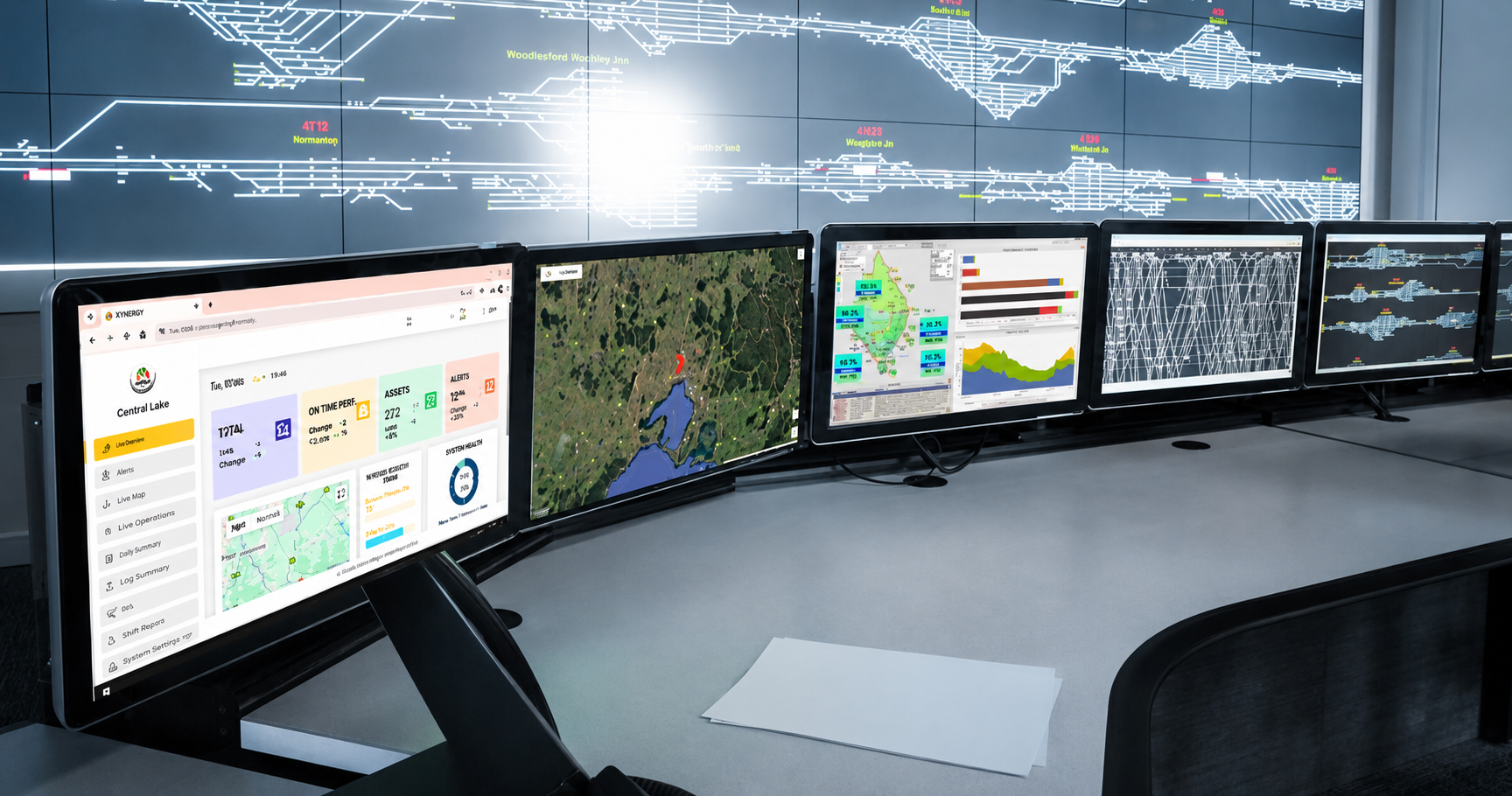
Third, real-time technology creates visibility that has never previously existed. EvacTracker’s live dashboards show building managers and emergency coordinators exactly who has checked out of the building, who has not, and where assistance may be needed. Rather than a warden standing at an assembly point with a clipboard, hoping their count is accurate, the system provides a verified, dynamic picture that updates continuously.
The Warden of the Future
I want to be clear about what technology does and does not replace. It does not replace the human judgment, empathy, and leadership that the best wardens bring to a crisis. What it does is ensure that every warden, regardless of their experience, their nerves, or the complexity of the situation, has the same quality of information and guidance available to them.
The warden of the future is not a person standing alone in a stairwell trying to remember which floor they last checked. They are someone working alongside a system that knows where everyone is, which exits are clear, who may need assistance, and what the current status of the evacuation looks like across every level of the building simultaneously.
That is not a vision for the distant future. It is what EvacTracker enables today.
Because guesswork has always been the enemy of safety, and in a world where we carry real-time data in our pockets, there is no longer any reason to accept it.